Exactly How Personalized Care Program Advantage Locals in Memory Care
Business Name: BeeHive Homes of Draper
Address: 711 Pioneer Rd, Draper, UT 84020
Phone: (801) 495-3100
BeeHive Homes of Draper
Full service assisted living facility serving southern Salt Lake County offering all-inclusive Memory Care, Assisted Living, and Senior/Adult Day Care services.
711 Pioneer Rd, Draper, UT 84020
Business Hours
Families generally begin looking at memory care after a pattern has already taken shape. A missed costs right here, a range left on there, a straying episode, a drug mix-up, and suddenly the discussion shifts from worry to necessity. By the time a loved one requires memory care, the need is hardly ever abstract. It is individual, psychological, and commonly linked to a details minute when home no more really feels risk-free enough.
That is where a customized care strategy makes all the distinction. Good memory care is not just a safe building with a calendar of activities. It is a thoughtful system constructed around the person living there, not just the diagnosis. The most effective senior care teams comprehend that amnesia adjustments exactly how someone relocates via the day, just how they reply to stress, what calms them, what puzzles them, and what still brings them convenience. A strong care strategy converts those observations right into everyday assistance that feels respectful, steady, and human.
Why memory care can not be one-size-fits-all
Dementia and related problems do not unravel in a cool, predictable way. One resident may bear in mind names however have problem with showering and clothing. An additional may speak fluently yet come to be dizzy in the afternoon and rate for hours. Another person may stand up to aid from strangers but work together quickly when the very same job is approached with patience and an acquainted routine.
That variation issues. When care is also broad, citizens can feel hurried, fixed, or overstimulated. A generic technique could fulfill the fundamental demand of safety, however it typically misses the deeper need for dignity. Personalized memory care recognizes that actions has context. If a person comes to be flustered throughout supper, it may have nothing to do with stubbornness. It could be hunger, noise, tiredness, dentures that do not fit, or an old routine of consuming early. A care strategy developed from those information improves the day for every person involved.
This is one factor households searching for memory care near me commonly end up comparing more than room sizes or eating food selections. They start asking how staff find out the resident's history, how they track altering requirements, and whether the community can change support as signs and symptoms progression. Those inquiries are not small details. They are the heart of top quality elder care.
What enters into a customized care plan
A genuine care strategy starts long before a resident moves in. It starts with a conversation. assisted living draper ut BeeHive Homes of Draper Team typically gather info from the resident, ideally, and from member of the family who know the individual's behaviors, choices, and causes. The best plans exceed clinical graphes and inquire about the life behind the diagnosis.
A thoughtful plan usually includes details such as everyday routines, sleep patterns, food preferences, bathing tolerance, interaction style, flexibility limits, fall dangers, and what assists during moments of anxiousness or confusion. It may additionally consist of significant background, like a previous occupation, favored music, religious techniques, family members practices, or the names of animals and grandchildren. These information are not ornamental. They assist staff connect, redirect, and reassure in manner ins which really work.
In method, that could indicate a resident that as soon as showed institution is invited to aid fold napkins before lunch since organized jobs soothe her. It could suggest a former technician responds far better when staff describe a transfer in plain, direct language as opposed to excessively gentle phrasing that feels obscure. It might indicate breakfast is offered later on for someone whose enduring regimen has constantly favored late early mornings. Small modifications typically develop the biggest psychological payoff.
How customization improves everyday life
The most prompt advantage of individualized memory care is reduced friction. When care matches the person, the day has a tendency to move with much less resistance. Less fights over clothing. Less rips during bathing. Less distressed moments caused by surprises that might have been avoided.
Personalized strategies likewise preserve identity. That appears soaring, yet in life it shows up in useful ways. A resident might still appreciate paying attention to jazz from the 1940s, watering plants, folding towels, or assisting establish the table. Those familiar functions can offer a sense of efficiency that dementia usually try. When staff notice those choices and develop them right into the day, locals are most likely to feel seen instead of managed.
There is likewise a subtler benefit, which family members value after the very first couple of weeks. When the care group recognizes the resident well, they can find changes much faster. A quieter hunger, a new worry at bedtime, or a sudden dislike of a precious activity might signal pain, infection, medicine side effects, or progression of ailment. Customized care is not practically comfort. It is likewise an extra trusted way to monitor health.
Personalization and behavior support
Behavior in memory care is usually communication. A resident that rejects a shower may be embarrassed by the loss of privacy. An individual who keeps attempting to "go home" might not be requesting a residence, but for the sensation of safety and belonging that home represented. A person that comes to be agitated in a congested hallway might just be overwhelmed by way too much sound and motion.

Personalized care strategies help personnel respond to these minutes with judgment as opposed to uncertainty. That is a major advantage because amnesia can make basic descriptions inefficient. Thinking with somebody who no longer processes time or location the way they when did normally leads nowhere. Experience, tone, timing, and environment issue more.
Here are a few sensible means personalization aids with behavior, without transforming the day into a series of fights:
- matching jobs to the resident's finest time of day, typically early morning for some people and late mid-day for others
- using preferred expressions, labels, or interaction designs that really feel familiar
- reducing triggers such as loud tvs, hurried shifts, or unnecessary crowding
- offering selections that are minimal yet real, such as "blue shirt or green tee shirt"
- redirecting with meaningful activities tied to the resident's interests
That sort of support takes staff training, patience, and consistency. It likewise takes good handoff communication in between changes. A resident might be tranquil with one caretaker and immune with one more if the method modifications too much. Personalized care strategies decrease that variance, which is commonly where avoidable distress begins.
Better support for drug, dishes, and mobility
Some of one of the most integral parts of memory care are additionally the least noticeable. Medicines need to be administered on time and watched carefully for negative effects. Meals need to represent cravings modifications, swallowing worries, food preferences, and in some cases weight-loss. Flexibility assistance needs to strike a balance between preventing drops and avoiding overassistance, which can quickly erode independence.
Personalized strategies enhance all three areas.
With drugs, staff can note which regimens are most convenient for the resident. Some individuals do much better when medicine is coupled with morning meal. Others comply quicker after a peaceful stroll or throughout a tranquil one-on-one visit. If swallowing pills is hard, the team can track patterns and communicate with clinical service providers regarding alternatives. Those adjustments can make the difference in between constant adherence and repeated refusals.
With meals, personalization can transform dining from a source of anxiety right into a reliable convenience. One resident might eat well only if seated near a window. An additional might prefer finger foods due to the fact that utensils feel confusing. Someone who has always enjoyed soup might consume more when acquainted foods get on the menu. These are the type of monitorings that are easy to miss in a hurried setup however common knowledge in well-run memory care.
Mobility support likewise benefits from focus to detail. A resident with arthritis may require added time standing from a chair. An individual with bad depth perception might need much better lights and less formed carpets. A person who ends up being anxious throughout transfers might do ideal with the very same caretaker whenever possible. Personalized preparation stops personnel from making presumptions that could lead to falls or frustration.
Family peace of mind is part of the outcome
Families commonly lug shame right into the choice to move somebody right into memory care. Even when they know the home setting is no longer risk-free, the psychological weight can be heavy. Personalized care plans help reduce that worry since they show member of the family that their loved one is not being absorbed right into a system and forgotten.
When staff ask comprehensive inquiries about a resident's life, families typically really feel alleviation. They are no longer the only people lugging the full story. They can share the thing that makes their mother laugh, the tune that calms their father, the snack that constantly works late in the afternoon. That understanding enters into the care, not just family memory.
For adult children, this can be transformative. As opposed to sensation like they must take care of every detail, they can go back to being kids, little girls, spouses, and visitors. They can spend time on link as opposed to constant analytic. That is among the much more purposeful yet much less talked-about advantages of high quality elder care. The family members relationship obtains room to breathe again.
The role of staff training and communication
An individualized strategy is just just as good as the people using it. This is why team training matters so much in memory care and senior living near me searches must constantly include questions regarding caretaker consistency and training. The strategy itself does not produce good care. Individuals do.
Well-trained staff recognize how to check out body language, de-escalate stress and anxiety, record modifications, and hand off information clearly between shifts. They likewise recognize that a care plan is a living file. A resident who was strolling separately 2 months back may now require assistance. Somebody who once enjoyed team activities may come to be easily overstimulated and need smaller setups. The group needs to observe, paper, and adjust.
That modification process need to really feel constant rather than responsive. Family members must not have to maintain re-explaining the same patterns at every visit. The best communities review and update plans frequently, often after modifications in wellness, habits, or medication. That type of ongoing attention is what divides an encouraging memory care environment from one that merely reacts when something goes wrong.
When personalization requires to balance with safety
Not every desire can be honored exactly as specified, and excellent care groups are honest about that. Individualized care does not suggest allowing a resident do anything they desire. Safety still matters, often very much. A resident might want to stroll alone outside, drive a cars and truck, or manage medications individually, but if those selections develop genuine danger, the care team has to establish boundaries.
The art remains in protecting freedom wherever feasible while attracting firm lines where required. That might mean supervised strolls instead of unlimited straying. It may mean streamlined garments options instead of full closet independence. It may indicate supplying personal privacy and control during showering, however with staff close by in instance help is needed.
This equilibrium is just one of the factors families select memory care rather than relying only on home support or respite care. At home, a well-meaning caregiver might battle to maintain both safety and stimulation every day. In a specialized area, the structure exists to sustain both. That is especially valuable when the condition progresses and the need for guidance ends up being more constant.
Signs that a memory care area uses customization well
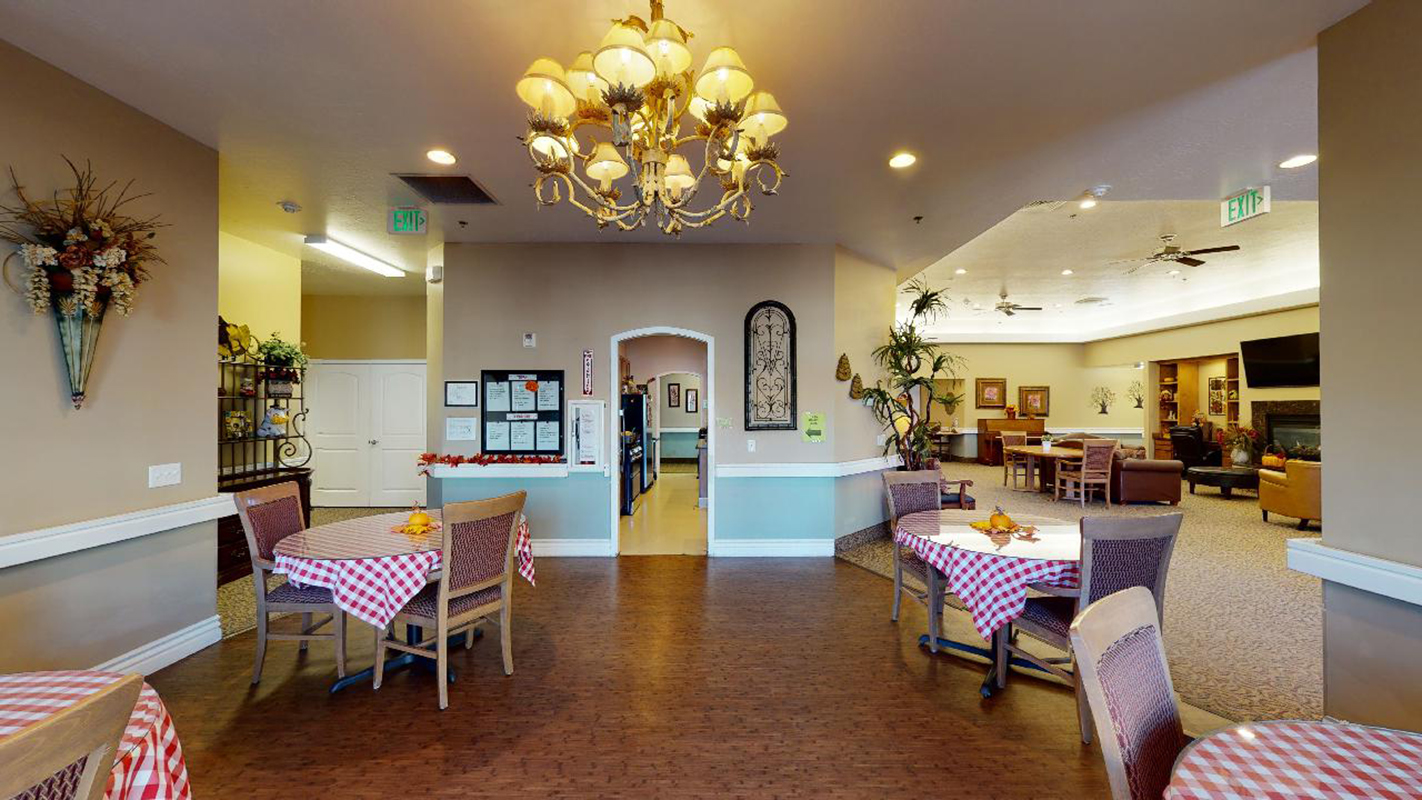
When households tour communities, it assists to look beyond sleek brochures. The details on the flooring commonly expose greater than the marketing language. A home can advertise thoughtful senior care and still feel impersonal if homeowners are dealt with on a routine instead of as individuals.
A few indicators typically stand out quickly:
- staff address homeowners by name and talk with them at eye level
- activity schedules include alternatives for different capability degrees, not simply one team event
- caregivers can discuss how they discover preferences and change routines
- the setting feels tranquility, not hurried or loud
- families are welcomed to share updates and take part in care planning
These indications are not an assurance, however they are a strong sign that the community understands memory care as individualized support as opposed to a fixed service bundle. If you are comparing memory care near me options, these observations are usually more helpful than a polished tour script.
Why personalization supports self-respect over time
The longer someone copes with memory loss, the easier it is for others to chat around them, over them, or for them. Individualized care stands up to that drift. It maintains the resident at the facility of the work. Also when interaction becomes minimal, a person's preferences, rhythms, and feedbacks continue to be meaningful.
Dignity in memory care is rarely about grand motions. It is frequently about the details: knocking prior to entering, supplying a choice as opposed to an order, keeping in mind that a person hates cool grain, or giving extra time to find words. These small acts reduce the feeling of being processed by a system. They remind the resident that there is still an individual below, with practices and history and rights.
That very same method advantages the staff too. Caretakers frequently work more effectively when they know what issues to the person before them. The communication becomes less adversarial and a lot more relational. Gradually, that can minimize burnout, boost job contentment, and develop a calmer environment throughout the community.
The difference families can feel
The effect of a tailored strategy is easiest to see in average minutes. A resident that made use of to resist showering begins to work together due to the fact that the caretaker found out that warm towels and soft songs help. A woman that seemed taken out begins grinning throughout afternoon gardening since a person discovered she once had a tendency roses for twenty years. A man who repeatedly attempts to leave at sunset settles much more quickly as soon as personnel recognize he needs a short stroll and a quieter space before dinner.
Those are not remarkable advancements. They are better than that. They are repeatable, daily enhancements that transform the psychological weather condition of a place.
For households checking out senior living near me choices, that consistency issues. It implies visits really feel much less tense. Telephone call become much more reassuring. Progression can be gauged not only by medical charts, however by whether the resident seems calmer, extra cleared up, and extra like themselves. In memory care, those are meaningful gains.
Personalized care plans additionally remind us that elder care is never ever almost handling decrease. At its ideal, it has to do with protecting what can still be maintained, lowering what is avoidable, and making daily a little much more easy to understand for the individual living it. That is not a small pledge. For many homeowners and households, it is the promise that makes memory care feel like the right following step.
BeeHive Homes of Draper provides assisted living care
BeeHive Homes of Draper provides memory care services
BeeHive Homes of Draper provides respite care services
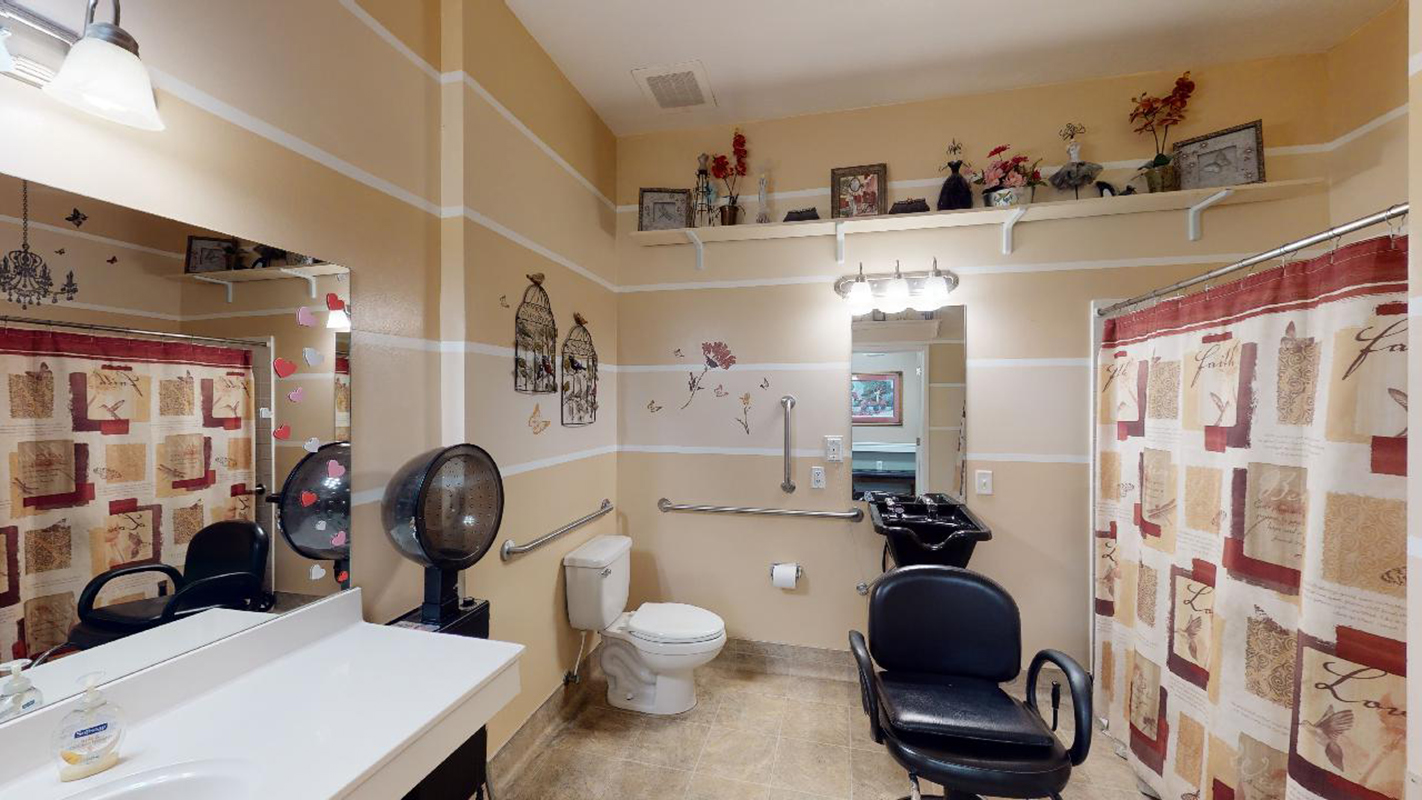
BeeHive Homes of Draper supports assistance with bathing and grooming
BeeHive Homes of Draper offers private bedrooms with private bathrooms
BeeHive Homes of Draper provides medication monitoring and documentation
BeeHive Homes of Draper serves dietitian-approved meals
BeeHive Homes of Draper provides housekeeping services
BeeHive Homes of Draper provides laundry services
BeeHive Homes of Draper offers community dining and social engagement activities
BeeHive Homes of Draper features life enrichment activities
BeeHive Homes of Draper supports personal care assistance during meals and daily routines
BeeHive Homes of Draper promotes frequent physical and mental exercise opportunities
BeeHive Homes of Draper provides a home-like residential environment
BeeHive Homes of Draper creates customized care plans as residents’ needs change
BeeHive Homes of Draper assesses individual resident care needs
BeeHive Homes of Draper accepts private pay and long-term care insurance
BeeHive Homes of Draper assists qualified veterans with Aid and Attendance benefits
BeeHive Homes of Draper encourages meaningful resident-to-staff relationships
BeeHive Homes of Draper delivers compassionate, attentive senior care focused on dignity and comfort
BeeHive Homes of Draper has a phone number of (801) 495-3100
BeeHive Homes of Draper has an address of 711 Pioneer Rd, Draper, UT 84020
BeeHive Homes of Draper has a website https://beehivehomes.com/locations/draper/
BeeHive Homes of Draper has Google Maps listing https://maps.app.goo.gl/LgtrXf95hQFVgKrY8
BeeHive Homes of Draper has Facebook page https://www.facebook.com/BeeHiveDraper/
BeeHive Homes of Draper won Top Assisted Living Homes 2025
BeeHive Homes of Draper earned Best Customer Service Award 2024
BeeHive Homes of Draper placed 1st for Utah Senior Living Communities 2025
People Also Ask about BeeHive Homes of Draper
What is BeeHive Homes of Draper Living monthly room rate?
Our monthly rates for both Assisted Living and Memory Care at BeeHive Homes of Draper are thoughtfully designed to be all-inclusive. While pricing reflects each resident’s unique care needs, families appreciate that once a rate is established, it remains stable - no hidden fees or surprise increases as care evolves. We believe in clarity, consistency, and peace of mind
Can residents stay in BeeHive Homes of Draper until the end of their life?
In many cases, yes. We are honored to support residents throughout their journey, including end-of-life care, right here in the comfort of our Draper home. There are rare occasions when medical needs exceed our licensing (such as 24-hour skilled nursing) but we’ll always guide families through any transition with care and compassion
Do we have a nurse on staff?
Yes, we do. Our Registered Nurse, Jacque Parker, R.N., works closely with local home health nurses and house-call physicians to coordinate excellent care. This collaboration allows us to meet a wide range of health needs right here at home
What are BeeHive Homes of Draper's visiting hours?
We know how important it is to stay close to loved ones. That’s why visiting hours at our Draper home are flexible and designed around what works best for the resident. You’re welcome to visit during the day... just try not to come to early and stay too late
Do You Offer Rooms for Couples?
Yes, we do! BeeHive Homes of Draper offers select suites for couples who wish to continue living together while receiving care. These shared accommodations preserve comfort and connection while ensuring both individuals get the personalized support they need. Availability is limited, so reach out to learn more
Do You Provide Senior Day Care or Respite Services?
Absolutely. Our senior day care and short-term respite care options are perfect for families who need extra help during the day or while traveling. Guests enjoy the same high-quality care, engaging activities, and home-cooked meals as our full-time residents, all in a safe, social environment. We’ll help you find a care plan that fits your schedule and your loved one’s needs.
What’s the Difference Between Assisted Living and Memory Care?
Assisted living is best for seniors who benefit from help with daily activities but still enjoy socializing and independence. Memory care is a more structured service tailored to individuals with Alzheimer’s or other cognitive conditions, with routines, guidance, and security that support safety and emotional well-being.
Where is BeeHive Homes of Draper located?
BeeHive Homes of Draper is conveniently located at 711 Pioneer Rd, Draper, UT 84020. You can easily find directions on Google Maps or call at (801) 495-3100 Monday through Sunday Open 24 hours
How can I contact BeeHive Homes of Draper?
You can contact BeeHive Homes of Draper by phone at: (801) 495-3100, visit their website at https://beehivehomes.com/locations/draper/ or connect on social media via Facebook
Basta Pasteria is a welcoming restaurant where families connected with Assisted living, memory care, senior care, elderly care, and respite care can gather for enjoyable meals together.