How Little Senior Care Homes Reduce Hospitalizations in Dementia Locals
Business Name: BeeHive Homes of Draper
Address: 711 Pioneer Rd, Draper, UT 84020
Phone: (801) 495-3100
BeeHive Homes of Draper
Full service assisted living facility serving southern Salt Lake County offering all-inclusive Memory Care, Assisted Living, and Senior/Adult Day Care services.
711 Pioneer Rd, Draper, UT 84020
Business Hours
Families are frequently shocked by how frequently an individual with dementia lands in the hospital after moving into a large assisted living or memory care neighborhood. Falls, infections, medication errors, extreme agitation, dehydration, and unexpected confusion prevail reasons. Each hospitalization can aggravate cognition, movement, and quality of life, sometimes permanently.
Over the previous decade I have actually enjoyed a different pattern in well run small senior care homes, typically called residential care homes, board and care homes, or small group homes. When these homes are structured thoughtfully and staffed consistently, their dementia citizens tend to be hospitalized less frequently and, when they are hospitalized, they usually recuperate more smoothly.
That is not magic. It is design and day-to-day practice.
This short article takes a look at the specific methods smaller settings can prevent preventable medical facility visits for individuals coping with dementia, and where families need to still be cautious.
What "little" actually means in senior care
When individuals hear "little home," they sometimes envision a single caretaker doing everything in a private house. That can be true of some setups, but in expert senior care, "small" usually describes licensed homes with:
- Between 4 and 16 locals, typically in a routine area home or a function constructed home with a homelike layout.
By contrast, traditional assisted living and memory care neighborhoods frequently have 40 to 200 citizens, in some cases more, spread out across multiple hallways and floors.
Size alone does not ensure great dementia care. I have strolled into small homes that were chaotic or understaffed, and into big memory care communities with really strong scientific practices. But the little scale, when paired with solid leadership, creates conditions that make hospitalization less likely.
Why dementia increases hospitalization risk
Before taking a look at what assists, it works to be clear about what we are up against.
People living with dementia are most likely to be hospitalized than their peers without cognitive disability. Research studies differ, however numerous reveal considerably greater emergency clinic use and admissions, particularly in moderate to innovative phases. The main drivers are:
Subtle early symptoms. A person with dementia is less able to explain pain, shortness of breath, burning with urination, or feeling unsteady. Personnel needs to spot modifications before they end up being crises.
Higher danger of falls. Modifications in judgment, balance, and visual perception increase fall risk. A hip fracture in an 85 years of age with dementia almost always indicates a healthcare facility stay.
Medication intricacy. Many homeowners take 10 or more medications. Interactions, side effects like low blood pressure, and missed doses can all set off acute problems.
Infections. Urinary tract infections, pneumonia, and skin infections are more frequent. In dementia, the earliest indication is frequently confusion or agitation, not a fever.
Behavioral and psychological signs. Hostility, extreme agitation, wandering, and hallucinations can escalate quickly if not managed early. When these behaviors become risky, households and facilities often default to hospital examination, even when there is no instant medical emergency.
Any senior care setting that wants to minimize hospitalization in dementia homeowners has to take on these drivers head on. Little homes frequently have structural advantages that let them do that more consistently.
The power of eyes on: observation and relationships
The initially and most apparent distinction in a small senior care home is how visible each resident is. In a 10 bed home, personnel and homeowners share the same cooking area, living room, and backyard. Caretakers see subtle shifts that would be simple to miss out on in a long hallway with dozens of rooms.
I keep in mind a resident in a 12 bed home, a retired instructor with mid phase Alzheimer's disease who was generally chatty and walking around the kitchen area. One early morning the caretaker saw she did not come to breakfast at her typical time and, when prompted, seemed quieter and slow to stand. There was no fever, no clear problem. In a large building, that sort of small modification might be chalked up to "a slow early morning" or missed totally during a hectic shift.
In the small home, the caretaker flagged the change instantly to the nurse. They checked her vital indications, noticed a mild drop in blood pressure and an elevated heart rate, and called the primary care provider. After a same day assessment and lab work, she was dealt with for a urinary tract infection at the home with oral antibiotics and additional fluids. That likely avoided an emergency situation visit two days later on for sepsis or delirium.
The reduced personnel to resident ratio is just part of it. The connection of the relationships matters a lot more. Dementia care improves when the same hands and eyes care for the very same individuals day after day. In many residential care homes:
Caregivers deal with the very same group of residents every shift, rather than turning in between remote wings.
Managers and owners are on website regularly, understand households by name, and comprehend each resident's standard habits.
Small habits shifts, like a resident pacing more, declining a favorite food, or going to the bathroom more frequently, can activate action long before they would satisfy criteria for "essential indication changes" or obvious illness.
If a resident is freshly confused or disturbed in the evening, the caretaker who has tucked them in for months can state, "This is not how she normally is," and that instinct, backed by structured protocols, typically results in early intervention instead of a 2 a.m. Ambulance ride.
Medication management without assembly lines
Medication errors are a quiet driver of hospitalizations in dementia care. In hectic assisted living or memory care communities, you in some cases see a single med tech cart taking a trip a long hallway attempting to pass dozens of early morning medications on time. The focus becomes speed and completion, not discussion and observation.
In a little home, medication administration looks various. A caretaker or med tech may sit at the kitchen area table with three citizens, passing medications with breakfast, asking how they slept, enjoying them swallow, and noting whether anybody appears off.
The influence on hospitalization risk shows up in a number of ways.
Tighter monitoring of side effects. New dizziness, drowsiness, or increased confusion after a medication change is spotted and gone over rapidly. That can prevent falls, dehydration, or serious agitation.
More practical medication lists. Little homes that partner carefully with medical care service providers frequently promote "deprescribing" unneeded drugs, particularly in sophisticated dementia. Less psychotropics and high blood pressure medications at aggressive doses imply fewer unfavorable events.
Better adherence. Citizens are less most likely to miss out on dosages of heart medications, anticoagulants, or seizure drugs when personnel actually stand next to them, not shout from a doorway.
On the other hand, not every little home has a nurse on site all the time. Some rely greatly on outdoors home health nurses or medical care practices. That works well if the relationships are strong and communication is structured. It can fail when the home does not have clear procedures for medication changes, monitoring, and recording concerns.
Families must always ask about how medications are bought, reviewed, and administered, despite setting. Scale is valuable, however systems and guidance are what really avoid problems.
Falls: style and routine over high tech
Fall prevention in big senior care communities typically leans on alarms, video cameras, and thick treatment binders. There is absolutely nothing wrong with technology, but many falls in dementia residents are avoided by something more mundane: seeing that someone is agitated and redirecting them, or arranging the environment to match their habits.
In small homes, the physical design supports this sort of avoidance:
Common locations are compact. A caretaker folding laundry at the table can see the resident who demands walking laps, the one who forgets her walker, and the one who often attempts to stand from a low couch without help.
Bedrooms are more detailed to shared area, so personnel can hear a resident getting up at night more easily than in far-off hallways.
Outdoor spaces are frequently small enclosed patios or gardens, that makes monitored fresh air breaks easier without the threat of somebody roaming far.

More than the traditionals, however, it is the culture of proactive motion that assists. When you only have 8 or 10 citizens, it is practical to know that "Mr. R starts pacing more when he has a urinary infection" or "Ms. L constantly gets up to use the restroom 15 minutes after lunch, so somebody ought to be nearby."
Contrast that with a memory care unit of 60 residents where two assistants are accountable for an entire passage. Even committed caretakers simply can not capture every unassisted transfer or roaming attempt.
Of course, little homes can still have threats: toss carpets, narrow hallways in converted houses, or poorly lit entry actions. The much better operators invest early in grab bars, non slip flooring, and suitable furnishings height. A home that "feels cozy" however is jumbled may in fact raise fall danger, so feel for that stress when you tour.
Infection control embedded in everyday routine
Respiratory infections, urinary system infections, and skin breakdown are 3 of the most typical triggers for hospitalization in dementia residents. During the COVID 19 pandemic, small homes differed commonly, however some of the most effective infection control stories I saw originated from securely run 6 to 12 bed homes.
The practical advantages are simple:
Smaller "distributing population." Fewer homeowners, visitors, and personnel move through the space, so when an infection appears it has fewer opportunities to spread.
Quicker isolation. If a resident shows respiratory symptoms, it is easier to keep them in their space or a designated location, with staff adjusting the shared schedule, than it remains in an enormous dining room.
Greater control over visitor practices. A little home can realistically screen visitors, strengthen hand health, and change visiting when necessary.
Daily health jobs, like assisting with toileting and perineal care, are likewise much easier to carry out consistently in smaller sized settings. That matters for urinary tract infection prevention. Staff who assist the same resident to the restroom several times a day rapidly see changes in urine smell, frequency, or pain and can inform a nurse or medical professional early.
Again, the trade off is level of on site clinical personnel. Some large assisted living and memory care communities have full time nurses who can perform bladder scans, wound senior care beehivehomes.com evaluations, and oxygen saturation checks on the spot. A small residential home may depend on checking out home health nurses. When those cooperations are strong and visits frequent, health center transfers can be prevented. When they are not, even a minor infection can escalate.
Behavioral crises dealt with in the house rather of the ER
One of the most traumatic patterns I see in dementia care is the "behavioral" hospitalization. A resident ends up being very upset, hits another resident, or screams continually. Personnel, sensation surpassed and undertrained, call 911. The individual is transported to a chaotic emergency situation department, frequently restrained or greatly sedated, then admitted to a health center bed or psychiatric unit.
Each of those steps increases confusion, fall threat, and injury. Often hospitalization is essential, especially if there is a concern for stroke, severe discomfort, or serious infection. Lot of times, however, the habits could have been managed in place with patience, staff assistance, and medical input by phone.
Small senior care homes have a natural advantage here if they deliberately hire and train staff for dementia care:
There are less unidentified faces. Locals with dementia respond much better to individuals they recognize and trust. In a small home with low turnover, a distressed resident is even more most likely to be approached by a familiar caretaker who knows their life story and triggers.
Staff can pivot the environment. If the living-room is too noisy, the caretaker can move the resident to the backyard or their space without browsing a big institutional schedule.
Families can be involved more quickly. When something escalates, it is relatively easy to call a child or boy who can speak with their loved one by phone or video, or come over personally, typically defusing things enough to purchase time for a medical evaluation.
The secret is having clear procedures that combine non pharmacologic methods, quick medical consultation, and just then, if security is still at threat, emergency services. I have seen small homes where a single combative episode automatically set off a 911 call, and others where staff had the coaching and self-confidence to de intensify 9 out of 10 scenarios on their own.
If you are examining a home for dementia care, ask for particular examples of when they managed agitation or wandering without sending someone to the hospital.
How respite care in small homes can avoid later hospitalizations
Respite care is typically framed as a way to provide family caretakers a break. That alone is valuable. Caretakers who get routine rest and assistance are less most likely to stress out and end up sending their loved one to the healthcare facility or an experienced nursing center during a crisis.
In the context of dementia care, respite stays in little homes can play an extra preventive role.
A brief stay, such as a week or more, permits professional caregivers to observe the individual's patterns with fresh eyes. They might capture undiagnosed sleep apnea, badly controlled pain, or subtle swallowing problems that member of the family have actually stabilized. These problems frequently add to repeated infections or falls.
A respite period can likewise be a trial of whether a small home setting is a great long term fit. Moving into assisted living or memory look after the very first time often occurs after a hospitalization, when the household feels they have no option. When a family uses respite proactively and finds that their loved one does much better, they can prepare an irreversible relocation previously and in a less chaotic manner.
By smoothing the course from home care to residential care, respite stays in little settings can minimize the rollercoaster of duplicated hospitalizations that often accompany the late middle stages of dementia.
Assisted living, memory care, and "small homes": sorting the terminology
Families often get lost in the language of senior care, which confusion can affect hospitalization threat if expectations are not aligned with reality.
Traditional assisted living normally serves senior citizens who need aid with everyday jobs however do not have extensive dementia related behavioral signs. A number of these structures now use a different "memory care" wing for homeowners with more advanced cognitive decline.
Small residential homes in some cases market themselves as assisted living, often as memory care, and often under state specific license terms. The labels matter less than the actual abilities:
A small home that promotes "memory care" must be able to describe, in detail, how it handles wandering, incontinence, night time wakefulness, resistance to care, and communication challenges.
If it calls itself assisted living only, yet most residents have moderate dementia, ask how they handle situations that would normally send out someone in a large community to the health center or locked memory unit.
The finest results tend to take place when the care environment is matched to the individual's present and most likely future needs. A small home that is comfy with moderate dementia but not with severe agitation might be perfect for a period of years, then no longer safe without frequent transfers. Regular, unplanned relocations put residents at greater risk for delirium and hospitalizations.
What small homes need in order to succeed clinically
Small senior care homes are not magic shields against hospitalization. When they succeed with dementia locals, they almost always have the following aspects in place.

-
Strong clinical partnerships: The home has established relationships with primary care suppliers, geriatricians if available, home health companies, and hospice companies. Physicians want to supply exact same day or telehealth assessments. Nurses visit regularly for wound checks, med reviews, and care conferences.
-
Clear escalation procedures: Caregivers have action by step assistance on what to do when they notice a modification, consisting of which vital signs to inspect, who to call, what to document, and when 911 is truly indicated.
-
Thoughtful staffing: Ratios are appropriate for the acuity of residents. Graveyard shift, frequently the weakest point, are properly staffed. New hires are trained specifically in dementia care and mentored, not just handed a job list.
-
Owner or administrator existence: Management shows up in the home, not just on paper. Frequent walkthroughs, casual check ins, and genuine relationships with homeowners mean that concerns do not sit unsolved for days.
-
Honest admission and discharge requirements: A good home knows what it can securely manage and what it can not. Households are told clearly when the home may no longer be proper, which prevents desperate last minute healthcare facility based placements.
When any of these pieces are missing, hospitalization rates tend to approach, no matter how intimate the setting feels.
Questions households can ask when visiting little dementia care homes
Most families are not clinicians, and they need to not have to be. However you can still penetrate how a home thinks about medical facility avoidance. A short set of concentrated questions frequently reveals a lot.
- "Inform me about the last time a resident went to the medical facility. What occurred before, and how did you choose they required to go?"
- "If a resident here appears 'not quite themselves' but has no fever or obvious issue, what do your caregivers do next?"
- "How do you work with doctors and nurses when something modifications? Can they see locals by video or exact same day consultation?"
- "What sort of modifications make you call 911 right away, and what can you manage here with medical assistance?"
- "What training do your personnel receive particularly about dementia behaviors, and how do you assist them avoid issues, not simply respond to them?"
Listen for concrete examples instead of vague guarantees. Good homes will be candid about both successes and limits.
When a big setting may be safer
There are situations where a bigger assisted living or memory care community with more medical facilities is in fact better placed to lower hospitalizations. For example:
Residents with intricate medical devices, such as feeding tubes, tracheostomies, or ventilators, may require on site nurses and respiratory therapists.
Residents with rapidly altering chemotherapy regimens, frequent IV infusions, or sophisticated cardiac arrest may take advantage of in house centers or telemonitoring programs more common in larger organizations.
Families who live far away and can not visit frequently sometimes feel more comfy with 24 hour nurse protection, even if the personal attention per resident is lower.
The size of the setting is one element among numerous. The ideal is to line up the resident's medical complexity, behavioral requirements, and family scenario with the strengths of the home, whether that home is little or large.
The bottom line for hospitalization threat in dementia
Well run little senior care homes, especially those focused on dementia care, typically reduce hospitalizations by seeing problems previously, embellishing reactions, and managing more issues safely on website. Their scale allows for closer observation, deeper relationships, and flexible routines that are tough to duplicate in larger, more institutional assisted living or memory care environments.
At the same time, small size does not ensure quality. Strong leadership, personnel training, clear clinical collaborations, and reasonable borders about what the home can handle are vital. When those pieces line up, the result is not just less hospital visits, but calmer days, gentler nights, and a trajectory of care that honors the person as much as their diagnosis.
For families browsing these choices, going to numerous homes, asking pointed questions, and taking note of how personnel talk about homeowners when they do not believe anyone is listening typically tells you more than any brochure. The ideal small home can be the difference in between a year stressed by sirens and stretchers, and a year marked by familiar faces, predictable rhythms, and the quiet dignity that everyone living with dementia deserves.
BeeHive Homes of Draper provides assisted living care
BeeHive Homes of Draper provides memory care services
BeeHive Homes of Draper provides respite care services
BeeHive Homes of Draper supports assistance with bathing and grooming
BeeHive Homes of Draper offers private bedrooms with private bathrooms
BeeHive Homes of Draper provides medication monitoring and documentation
BeeHive Homes of Draper serves dietitian-approved meals
BeeHive Homes of Draper provides housekeeping services
BeeHive Homes of Draper provides laundry services
BeeHive Homes of Draper offers community dining and social engagement activities
BeeHive Homes of Draper features life enrichment activities
BeeHive Homes of Draper supports personal care assistance during meals and daily routines
BeeHive Homes of Draper promotes frequent physical and mental exercise opportunities
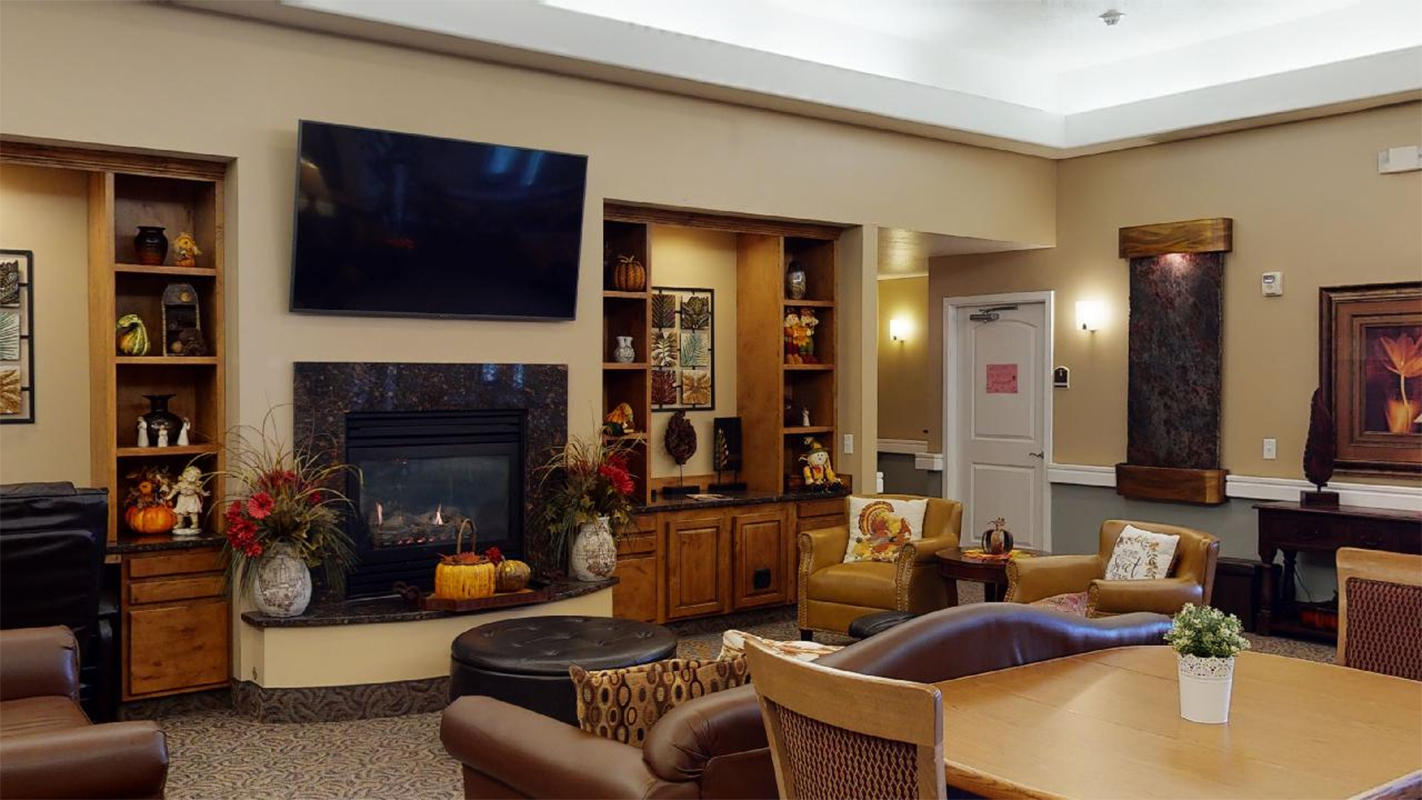
BeeHive Homes of Draper provides a home-like residential environment
BeeHive Homes of Draper creates customized care plans as residents’ needs change
BeeHive Homes of Draper assesses individual resident care needs
BeeHive Homes of Draper accepts private pay and long-term care insurance
BeeHive Homes of Draper assists qualified veterans with Aid and Attendance benefits
BeeHive Homes of Draper encourages meaningful resident-to-staff relationships
BeeHive Homes of Draper delivers compassionate, attentive senior care focused on dignity and comfort
BeeHive Homes of Draper has a phone number of (801) 495-3100
BeeHive Homes of Draper has an address of 711 Pioneer Rd, Draper, UT 84020
BeeHive Homes of Draper has a website https://beehivehomes.com/locations/draper/
BeeHive Homes of Draper has Google Maps listing https://maps.app.goo.gl/LgtrXf95hQFVgKrY8
BeeHive Homes of Draper has Facebook page https://www.facebook.com/BeeHiveDraper/
BeeHive Homes of Draper won Top Assisted Living Homes 2025
BeeHive Homes of Draper earned Best Customer Service Award 2024
BeeHive Homes of Draper placed 1st for Utah Senior Living Communities 2025
People Also Ask about BeeHive Homes of Draper
What is BeeHive Homes of Draper Living monthly room rate?
Our monthly rates for both Assisted Living and Memory Care at BeeHive Homes of Draper are thoughtfully designed to be all-inclusive. While pricing reflects each resident’s unique care needs, families appreciate that once a rate is established, it remains stable - no hidden fees or surprise increases as care evolves. We believe in clarity, consistency, and peace of mind
Can residents stay in BeeHive Homes of Draper until the end of their life?
In many cases, yes. We are honored to support residents throughout their journey, including end-of-life care, right here in the comfort of our Draper home. There are rare occasions when medical needs exceed our licensing (such as 24-hour skilled nursing) but we’ll always guide families through any transition with care and compassion
Do we have a nurse on staff?
Yes, we do. Our Registered Nurse, Jacque Parker, R.N., works closely with local home health nurses and house-call physicians to coordinate excellent care. This collaboration allows us to meet a wide range of health needs right here at home
What are BeeHive Homes of Draper's visiting hours?
We know how important it is to stay close to loved ones. That’s why visiting hours at our Draper home are flexible and designed around what works best for the resident. You’re welcome to visit during the day... just try not to come to early and stay too late
Do You Offer Rooms for Couples?
Yes, we do! BeeHive Homes of Draper offers select suites for couples who wish to continue living together while receiving care. These shared accommodations preserve comfort and connection while ensuring both individuals get the personalized support they need. Availability is limited, so reach out to learn more
Do You Provide Senior Day Care or Respite Services?
Absolutely. Our senior day care and short-term respite care options are perfect for families who need extra help during the day or while traveling. Guests enjoy the same high-quality care, engaging activities, and home-cooked meals as our full-time residents, all in a safe, social environment. We’ll help you find a care plan that fits your schedule and your loved one’s needs.
What’s the Difference Between Assisted Living and Memory Care?
Assisted living is best for seniors who benefit from help with daily activities but still enjoy socializing and independence. Memory care is a more structured service tailored to individuals with Alzheimer’s or other cognitive conditions, with routines, guidance, and security that support safety and emotional well-being.
Where is BeeHive Homes of Draper located?
BeeHive Homes of Draper is conveniently located at 711 Pioneer Rd, Draper, UT 84020. You can easily find directions on Google Maps or call at (801) 495-3100 Monday through Sunday Open 24 hours
How can I contact BeeHive Homes of Draper?
You can contact BeeHive Homes of Draper by phone at: (801) 495-3100, visit their website at https://beehivehomes.com/locations/draper/ or connect on social media via Facebook
Conveniently located near BeeHive Homes of Draper Cinemark Draper a great movie theater with full food & drink menu. Catch a movie and enjoy some great food while you wait.